The Secret Customer Experience Checklist: 7 Tasks Every Small Business Should Automate (But Most Don't)
Many small businesses struggle with missed calls and slow response times. Here are 7 critical automation tasks that can transform your customer experience.

Are you losing significant revenue every month because customers can't reach you after hours? Studies suggest 40–70% of small businesses miss after-hours calls, depending on industry (Clutch 2019, Ruby Receptionists). Each missed call can represent substantial lost revenue—sometimes hundreds of dollars per lead in service-based businesses.
Here's what most business owners don't realize: while you're focused on delivering great service during business hours, your competitors may be quietly capturing customers through automated systems that never sleep. The businesses that understand this "secret checklist" are capturing leads 24/7 while others are left wondering why their phones have stopped ringing.
The solution isn't hiring more staff or working longer hours. It's about identifying the critical customer experience tasks that should be automated—yet according to Zapier's 2023 State of Business Automation report, around 70% of SMBs still rely heavily on manual processes.
Why Most Small Businesses Miss the Mark on Customer Experience
Think about the last time you called a business after hours. Did you get a helpful response, or were you sent straight to voicemail? If you're like most customers, you probably hung up and called their competitor instead.
Research from HubSpot and Salesforce shows that a substantial portion of leads go cold without quick follow-up—sometimes more than half. That's not a technology problem; it's a customer experience gap that smart business owners are filling with automation.
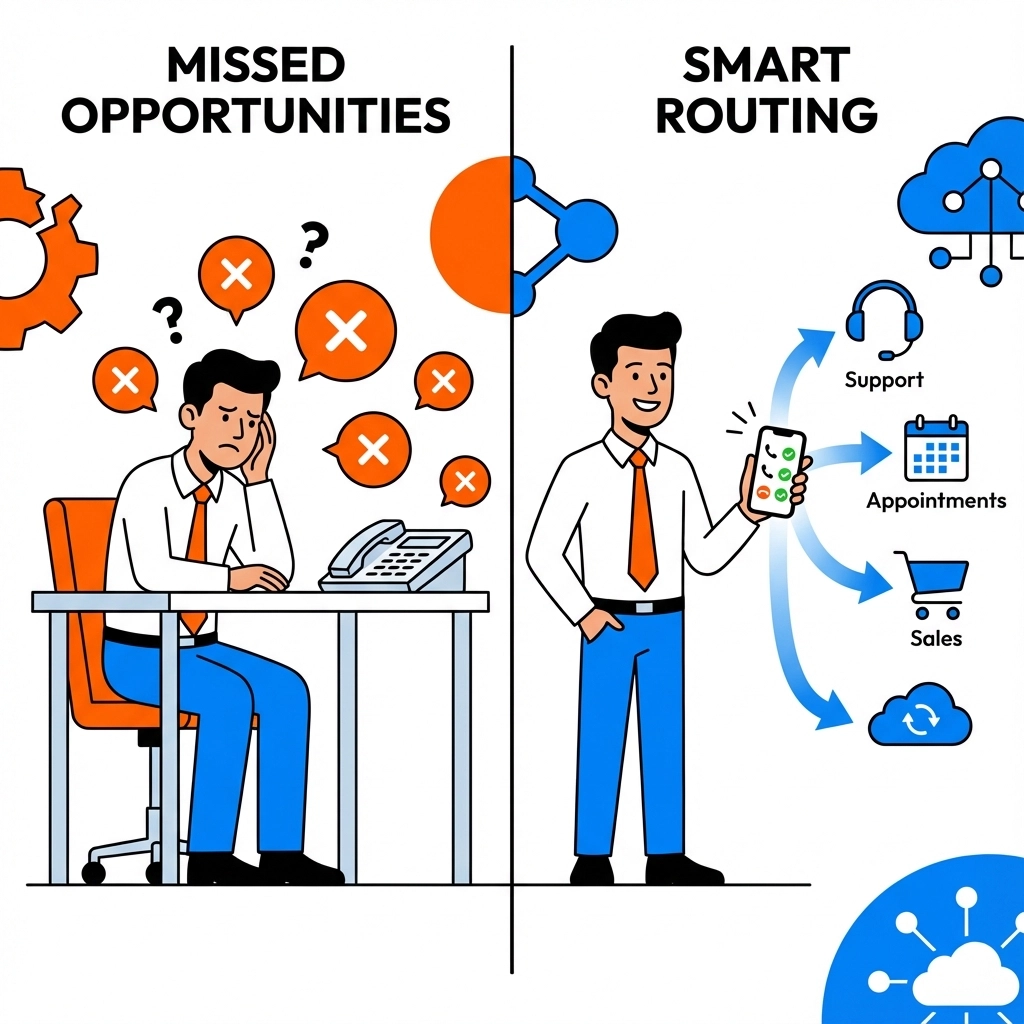
The businesses that thrive in 2025 understand that customer experience isn't just about being friendly—it's about being available, responsive, and efficient at every touchpoint. Here's the checklist that separates the winners from the also-rans.
Task #1: Instant Response to Every Customer Inquiry
The Problem: Multiple studies (Harvard Business Review, Drift, HubSpot) confirm that customers expect responses within 5 minutes—yet most small businesses take 24–48 hours to return calls or messages.
The Hidden Cost: A landmark 2007 Harvard Business Review study ("The Short Life of Online Sales Leads") found that companies responding within an hour are 7 times more likely to qualify leads than those responding even an hour later. The longer you wait, the more dramatically your chances of conversion drop.
The Automation Solution: Set up systems that acknowledge every inquiry instantly, whether by phone, text, or web form. Customers should never wonder if their message was received.
How It Works:
- Phone calls get answered immediately with relevant information
- Text messages receive automatic acknowledgment within 60 seconds
- Web inquiries trigger instant email confirmations
- Customers are given clear expectations about next steps
This isn't about replacing human interaction—it's about ensuring no customer inquiry falls into a black hole while you're busy with other clients.
Task #2: Seamless Appointment Booking and Scheduling
The Problem: Phone tag for appointment scheduling wastes 3–5 hours per week for most service businesses and frustrates customers who want to book immediately.
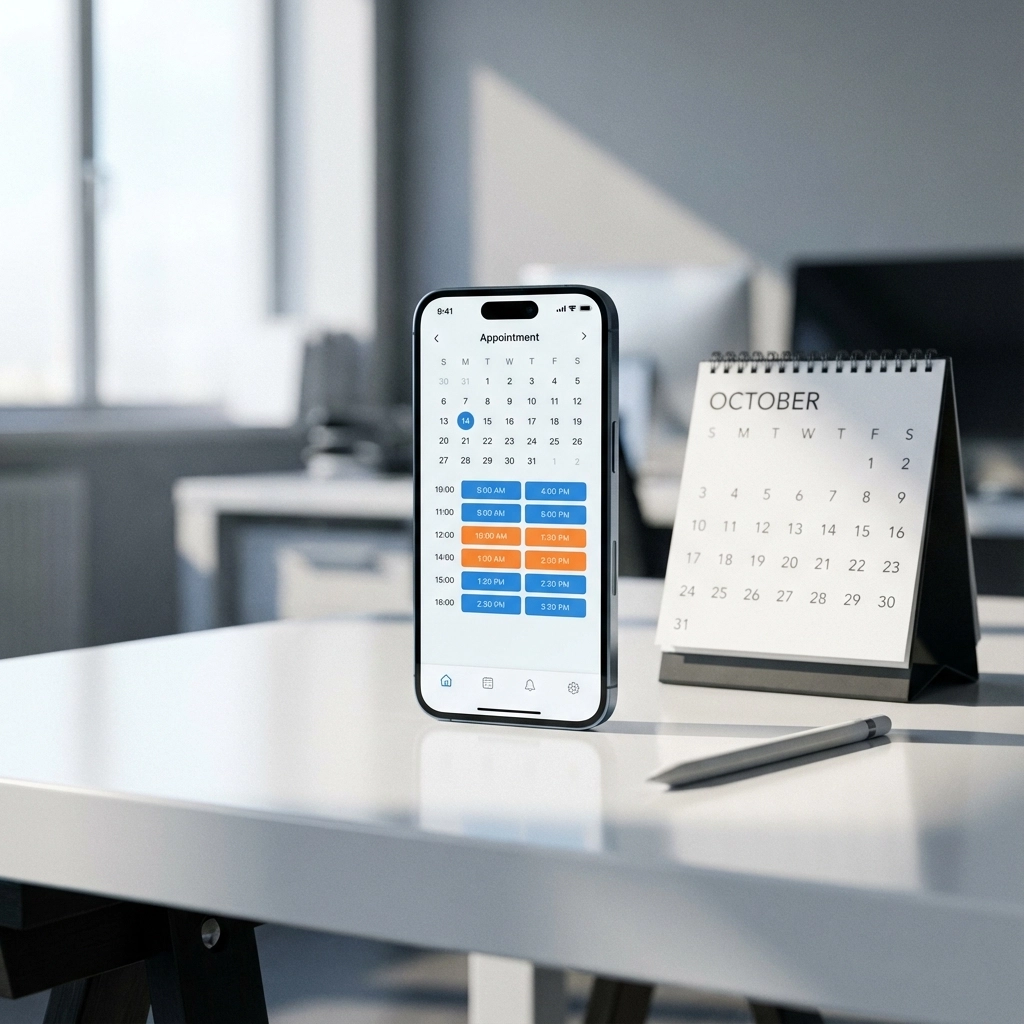
The Automation Advantage: Allow customers to book appointments 24/7 without human intervention. Businesses implementing automated booking often report meaningful increases in booked appointments—sometimes 20–40% or more within the first few months. (Results vary by industry and implementation.)
What to Automate:
- Real-time availability checking
- Automatic calendar updates
- Instant booking confirmations
- Integration with your existing scheduling system
Smart businesses use AI-powered appointment booking that understands natural language. When a customer says "I need someone to look at my broken furnace this week," the system can identify the service type, check technician availability, and offer specific time slots.
Task #3: Automated Reminders and Confirmations
The Problem: No-shows cost service businesses an average of $150–$300 per missed appointment depending on industry, and studies show 10–30% of customers forget about scheduled appointments without reminders.
The Solution: Implement a multi-touch reminder system. Research indicates that SMS and email reminders can reduce no-shows by 30–80% depending on the sector—with healthcare, salons, and professional services often seeing the strongest results.
Reminder Sequence That Works:
- Booking confirmation immediately after scheduling
- Email reminder 48 hours before appointment
- Text reminder 24 hours before appointment
- Final confirmation call or text 2 hours before appointment
The key is using the customer's preferred communication method. Some clients prefer texts, others want phone calls, and many appreciate email reminders they can add to their calendar.
Task #4: Instant FAQ Resolution
The Problem: According to Zendesk (2024) and Intercom (2023), 60–80% of customer inquiries are routine questions about hours, location, pricing, or services. Your team spends countless hours repeating the same information.
The Smart Approach: Create an automated system that instantly provides answers to common questions, freeing your staff to handle complex issues that actually require human expertise.
Most Common Questions to Automate:
- Business hours and location
- Service pricing and packages
- Insurance acceptance and payment options
- Available appointment times
- Emergency contact procedures
- Preparation instructions for appointments
Businesses that automate their FAQ responses often see a significant reduction in routine calls—sometimes 30–50%—allowing staff to focus on higher-value work. (A law firm, for instance, might find attorneys can dedicate more time to billable work instead of answering "Do you handle divorce cases?" repeatedly.)
Task #5: Streamlined Payment Processing
The Problem: Chasing payments costs businesses 2–4 hours per week and creates awkward conversations with clients. Late payments affect cash flow and growth opportunities.
The Automation Fix: Make it effortless for customers to pay deposits, retainers, or full payments at any time of day.
Payment Automation Features:
- Instant payment links sent via text or email
- Automatic payment reminders for overdue accounts
- Secure payment processing with multiple options
- Automatic receipt generation and delivery
- Integration with your accounting system
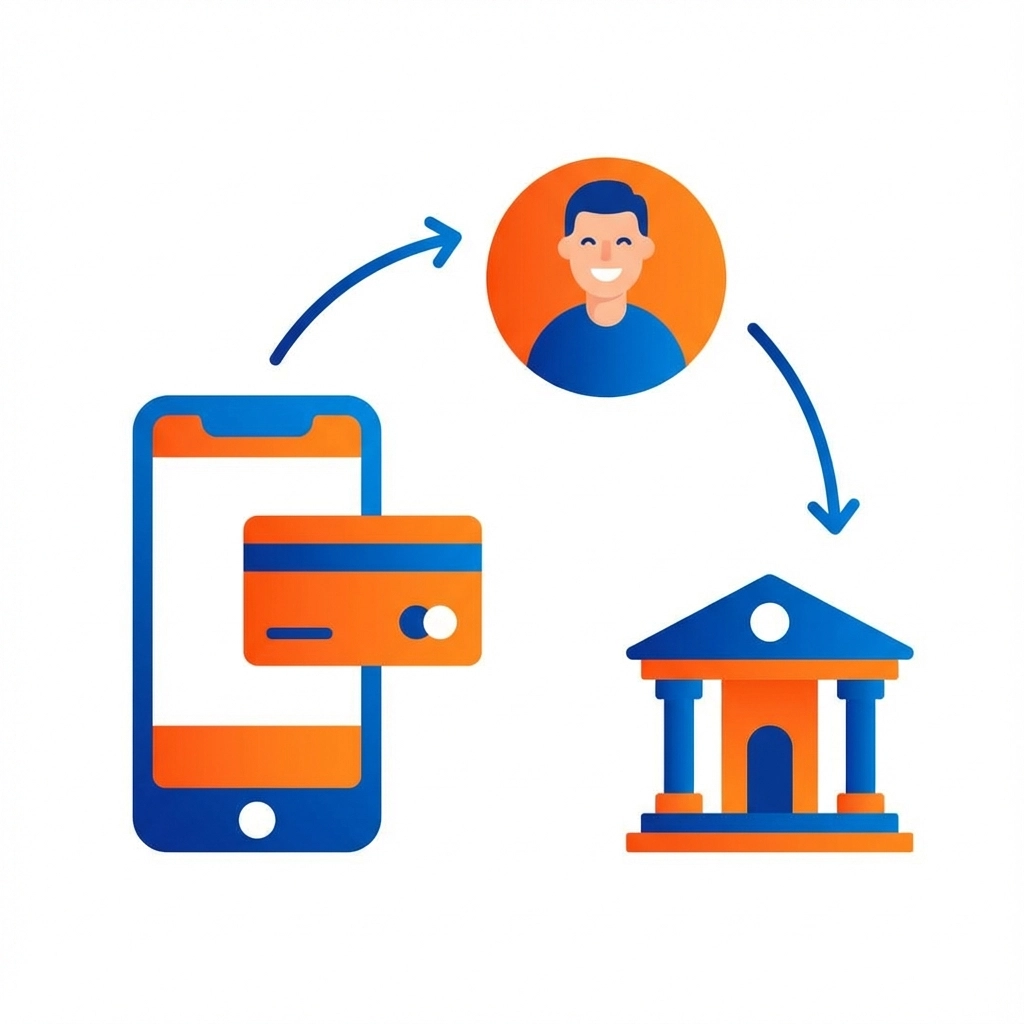
When customers can pay immediately after receiving a service quote, conversion rates improve—don't make them wait until business hours to give you money.
Task #6: Systematic Lead Follow-Up
The Problem: Research from the National Sales Executive Association and InsideSales suggests that around 48% of sales professionals never follow up with prospects, and 80% of sales require 5–12 touchpoints to close. Most small businesses give up after one or two attempts.
The Revenue Impact: Studies from InsideSales and Salesforce confirm that consistent, automated follow-up significantly improves response and conversion rates compared to businesses that rely on manual follow-up alone.
Automated Follow-Up Sequence:
- Immediate response acknowledging the inquiry
- Information packet or service overview within 24 hours
- Follow-up call or message at 3 days if no response
- Additional value-based content at 7 days
- Final follow-up with special offer at 14 days
The businesses winning in competitive markets aren't necessarily better at their core service—they're better at staying in touch with prospects until they're ready to buy.
Task #7: Emergency Call Routing and Escalation
The Problem: True emergencies require immediate human attention, but most businesses treat all after-hours calls the same way: with voicemail.
The Solution: Implement smart call routing that identifies emergencies and escalates appropriately while handling routine inquiries automatically.
Emergency Automation Protocol:
- Keyword recognition for urgent situations
- Automatic escalation to on-call staff for emergencies
- Standard information delivery for non-urgent calls
- Clear instructions for true emergency procedures
- Documentation of all after-hours interactions
A medical clinic using intelligent call routing ensures that potential medical emergencies reach a nurse within minutes, while routine appointment requests are handled automatically without waking anyone up.
Implementing Your Customer Experience Automation
Start with Your Biggest Pain Point
Don't try to automate everything at once. Identify which of these seven tasks is currently causing the most frustration for your customers or consuming the most time for your team.
Choose the Right Technology Partner
Look for solutions that integrate easily with your existing systems and don't require a computer science degree to operate. The best automation feels invisible to customers—they get better service without realizing they're interacting with AI.
Test and Refine
Start with basic automation and gradually add complexity. Monitor customer feedback and adjust your systems based on real usage patterns.
The Competitive Advantage of 2025
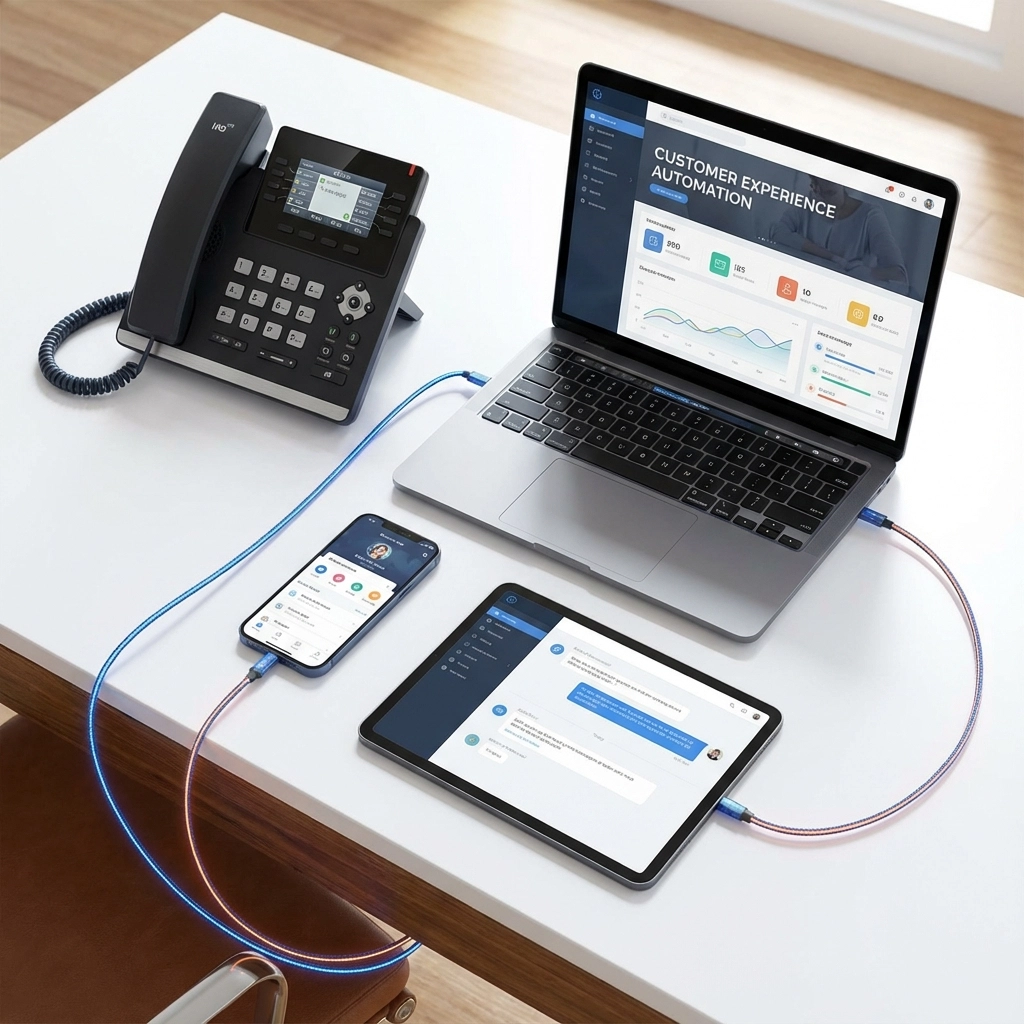
Businesses that master customer experience automation aren't just saving time—they're providing a level of service that customers expect but rarely receive from small businesses. While your competitors are still playing phone tag with prospects, you'll be booking appointments, processing payments, and following up with leads around the clock.
The question isn't whether automation will become standard for customer experience. It's whether you'll be an early adopter who gains market share or a late adopter who struggles to catch up.
Every day you delay implementing these systems is another day of missed opportunities, frustrated customers, and revenue walking out the door. The businesses that understand this secret checklist are already building the customer experience systems that will dominate their markets in the coming years.
Ready to stop losing customers to voicemail and start capturing every opportunity? Explore how TryMainline can automate these critical tasks for your business—ensuring you never miss another customer inquiry or revenue opportunity again.
Note: Statistics cited in this article are drawn from industry research including HubSpot, Salesforce, Zendesk, Harvard Business Review, Zapier, and other sources. Individual results from implementing automation vary by business type, industry, and execution.
Ready to Transform Your Business?
See how AI phone support can help you never miss another customer call. Book a personalized demo today.