The Customer Journey Unplugged: Mapping Every Contact Point (and How AI Fits Into Each One)
Your customers interact with your business in dozens of ways. Learn how to map each touchpoint and transform potential pain points into revenue drivers with AI.
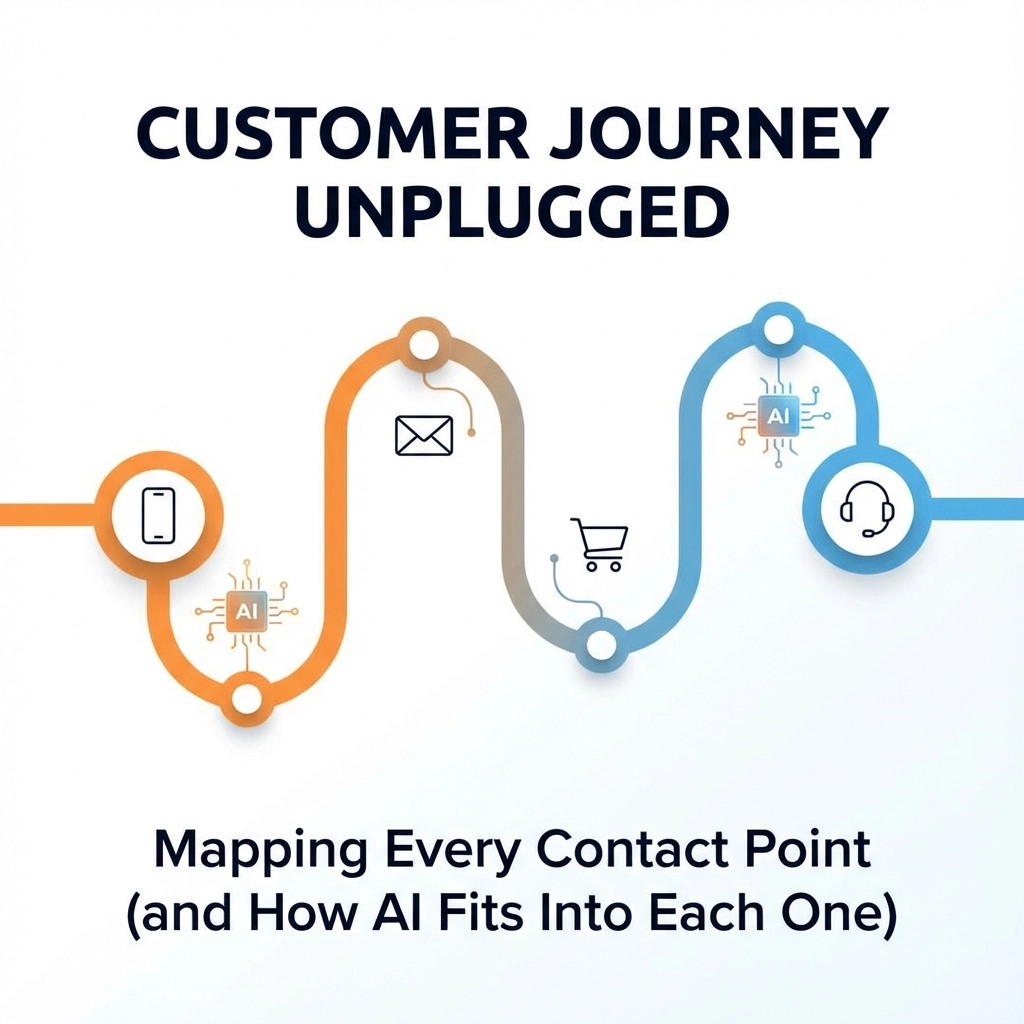
A majority of customers abandon purchases after poor service experiences, with cart abandonment rates often exceeding 60% across industries. Yet studies show 40–60% of calls to small businesses go unanswered—meaning many potential customers never connect at all.
Here's the reality: Your customers interact with your business in dozens of ways, from that first Google search to the follow-up text after service completion. Each interaction is an opportunity to either build trust and drive revenue, or frustrate customers and send them to competitors.
Let's map out exactly where these touchpoints happen and how AI can transform each one from a potential pain point into a revenue driver.
Stage 1: Discovery and First Contact
The Touchpoints You're Missing
Your customer's journey starts before they ever call you. They're reading reviews, visiting your website at 11 PM, or trying to text you a quick question. Studies show 20–60% of calls to small businesses go unanswered, with after-hours inquiries particularly vulnerable to being missed entirely.
Key Touchpoints:
- Initial phone calls
- Website chat inquiries
- Text message questions
- Social media messages
- Review responses
How AI Transforms This Stage
Instead of letting late-night website visitors bounce after finding no way to connect, AI can instantly engage them. When someone visits your plumbing website at midnight with a water heater emergency, AI responds within seconds: "Hi! I can help you with emergency plumbing services. Are you dealing with a water heater issue right now?"
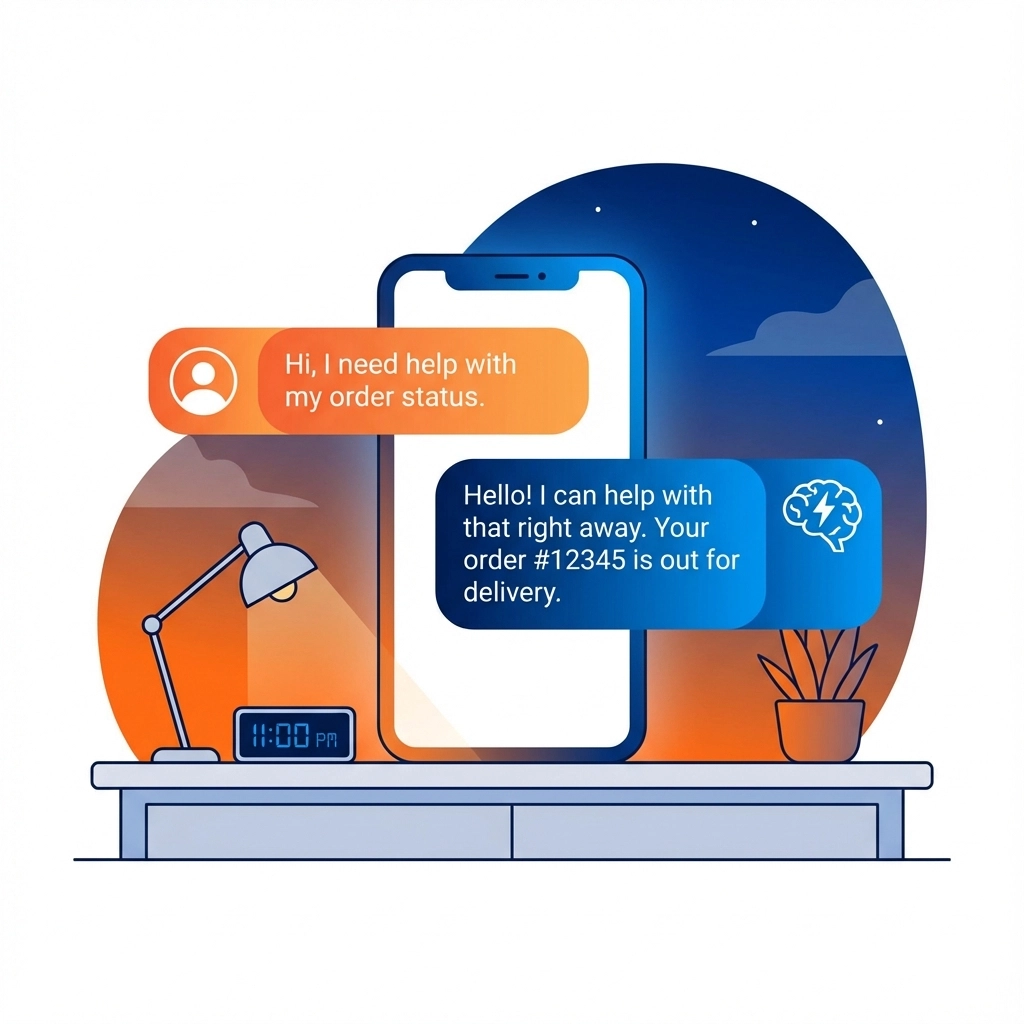
The AI doesn't just answer—it qualifies the lead, gathers contact information, and can even schedule an emergency visit for first thing in the morning. What used to be a lost opportunity becomes a booked job before your customer even considers calling a competitor.
Stage 2: Information Gathering and Evaluation
Where Customers Get Stuck
This is where potential customers ask detailed questions about pricing, availability, and services. They want answers fast, but traditional businesses force them to wait for business hours or play phone tag.
Critical Touchpoints:
- Pricing inquiries
- Service availability questions
- Location and hours verification
- Insurance and payment method questions
- Scheduling availability
AI's Role in Keeping Customers Engaged
Smart AI systems can instantly provide detailed service information, transparent pricing ranges, and real availability. Instead of generic "call for pricing," AI can say: "For standard HVAC maintenance in your area, our services typically range from $150–300 depending on your system. I can check our technician availability for this week—would Tuesday or Wednesday afternoon work better?"
This level of immediate, helpful response keeps customers engaged instead of forcing them to start over with your competitors.
Stage 3: Booking and Scheduling
The Friction That Kills Conversions
Research shows that more than half of customers report abandoning bookings due to poor user experience. Yet most small businesses still rely on phone tag and manual scheduling.
Essential Touchpoints:
- Appointment booking requests
- Schedule confirmations
- Rescheduling needs
- Cancellation handling
- Deposit collection
How AI Eliminates Booking Friction
AI transforms booking from a multi-step hassle into a single conversation. "I have openings tomorrow at 2 PM or Thursday at 10 AM. Which works better for your carpet cleaning?" The customer responds, AI books it instantly, sends calendar invites, and can even collect deposits through secure payment links—all in under 2 minutes.
TryMainline's appointment booking features handle this entire process seamlessly, turning inquiries into confirmed bookings without any manual work on your end.
Stage 4: Pre-Service Communication
Keeping Customers Connected Before the Big Day
The time between booking and service delivery is where many businesses go silent—leaving customers wondering if their appointment is confirmed or if they should have prepared anything special.
Important Touchpoints:
- Appointment confirmations
- Preparation instructions
- Technician arrival notifications
- Last-minute schedule changes
- Payment reminders
AI's Proactive Approach
Instead of hoping customers remember their appointments, AI sends strategic touchpoints: a confirmation right after booking, helpful preparation tips two days before ("Please clear a path to your water heater"), and a heads-up text 30 minutes before arrival ("Mike is 30 minutes away with your new garage door installation").
Reminder systems can significantly reduce no-shows, with some businesses reporting reductions of 30% or more. Proactive communication also makes customers feel cared for throughout the process.
Stage 5: During Service Delivery
Real-Time Problem Solving
Even during active service calls, touchpoints matter. Customers might have questions, need to reschedule, or want to add additional services while the technician is there.
Live Service Touchpoints:
- Additional service requests
- Family member questions while work is happening
- Emergency rescheduling needs
- Payment processing
- Documentation and receipts
AI as Your Service Assistant
While your technician focuses on the work, AI handles everything else. If a customer's spouse calls asking about timeline, AI accesses the job status and provides real updates. Need to add gutter cleaning to today's roof inspection? AI can quote the additional service and process payment authorization instantly.

Stage 6: Payment and Completion
Closing the Loop Professionally
The end of service is actually the beginning of your next opportunity. How you handle payment, receipts, and immediate follow-up sets the stage for reviews, referrals, and repeat business.
Final Service Touchpoints:
- Payment processing
- Receipt delivery
- Service summaries
- Immediate satisfaction checks
- Next maintenance scheduling
AI's Finishing Touch
AI ensures nothing falls through the cracks at completion. Payments are processed smoothly, detailed receipts are texted instantly, and customers receive a summary of work completed. "Your furnace tune-up is complete! We recommend your next maintenance in 6 months—would you like me to book that now at a 15% discount?"
Stage 7: Post-Service Follow-Up
Where Relationships Turn Into Revenue
The majority of small businesses completely ignore post-service touchpoints, missing massive opportunities for reviews, referrals, and repeat bookings. Yet this stage often drives a substantial portion of long-term customer value.
Post-Service Touchpoints:
- Service satisfaction surveys
- Review requests
- Warranty information
- Maintenance reminders
- Referral opportunities
- Seasonal service offers
AI's Long-Term Relationship Building
AI doesn't just complete the job—it nurtures the relationship. Three days after service: "How's your new air conditioning working?" Two weeks later: "Please share your experience with a quick Google review." Six months out: "It's time for your semi-annual HVAC check—should I book your regular technician Mike for next week?"
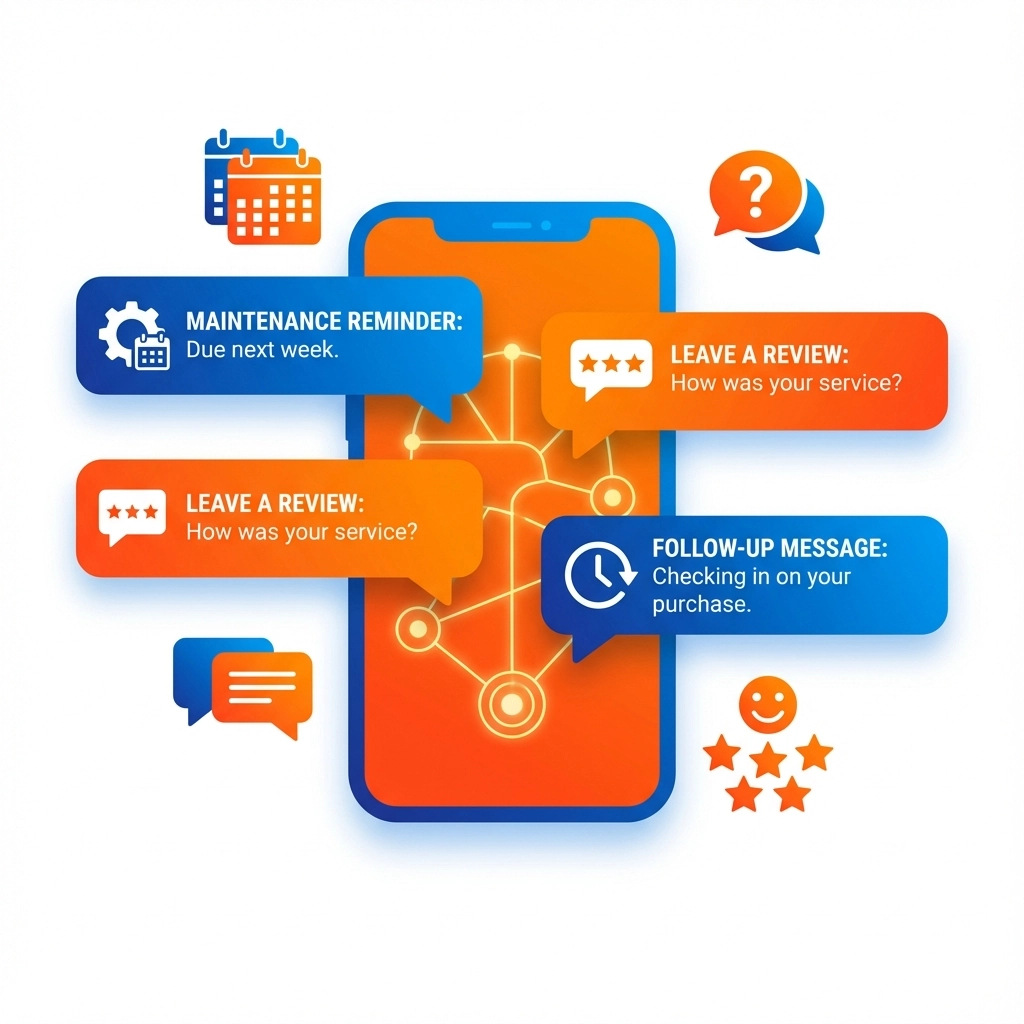
This systematic follow-up approach turns one-time customers into long-term relationships worth thousands in lifetime value.
Measuring Touchpoint Success
The Hidden Costs of Missed Connections
Every missed touchpoint has a measurable impact on your business. Missed inquiries represent significant revenue per lost opportunity. Poor follow-up can meaningfully reduce customer lifetime value. And slow response times can significantly decrease conversion rates.
Key Metrics to Track:
- Response time to initial inquiries
- Conversion rate from inquiry to booking
- No-show rates
- Customer satisfaction scores
- Repeat booking percentages
- Review and referral rates
Implementation: Your Next Steps
Ready to transform your customer journey touchpoints? Start by exploring TryMainline's comprehensive AI customer service platform that handles every touchpoint we've discussed.
Week 1: Map your current touchpoints and identify the biggest gaps
Week 2: Implement AI for your highest-impact touchpoints (usually initial inquiries and booking)
Week 3: Add automated follow-up and post-service touchpoints
Week 4: Monitor results and optimize based on customer feedback
The businesses winning in 2026 aren't just providing good service—they're creating seamless, AI-enhanced experiences at every single touchpoint. Your customers expect instant, helpful responses whether it's 9 AM or 9 PM. The question isn't whether to upgrade your customer touchpoints, but how quickly you can implement systems that never miss an opportunity to serve and sell.
Every touchpoint is a choice: frustrate customers with delays and missed connections, or delight them with instant, helpful AI that makes doing business with you effortlessly smooth. Which experience are your customers getting today?
Note: Statistics cited in this article are drawn from industry research including Alliance Virtual Offices, Dialzara, Hotel Technology News, and other sources. Individual results from implementing automation vary by business type, industry, and execution.
Ready to Transform Your Business?
See how AI phone support can help you never miss another customer call. Book a personalized demo today.